Stop paying
peak rates.
A home battery can charge overnight on cheap tariffs then power your home all through the day, cutting electricity costs by up to 70% per kWh. No solar panels needed, plus backup when the grid goes down.
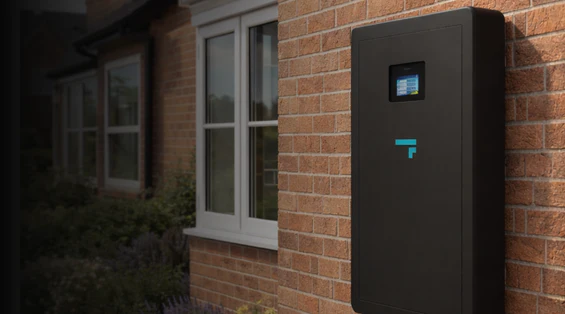
Why BatterySense
Cheaper bills.
A stronger grid.
Less reliance on the rest of the world.
We're passionate about home batteries because they put money back in your pocket and energy security back in the country's hands.
Cut your bills by up to 70%
£725–£1,100 saved per year, paid back in 4.5–5.7 years
Charge overnight at off-peak rates — as low as 7p/kWh on tariffs like Octopus Go — then use that stored power through the day instead of paying peak prices. EV owners save even more, cutting charging costs by up to 80%.
Keep the lights on
Up to 24 hours of backup power
When the grid goes down, your battery switches over automatically in milliseconds — lights, fridge, broadband, phone charging all kept running. No generator, no noise, no fuel. Most homes can run through a full night and beyond.
Charge when demand is low — and the grid is cleaner
Charge when energy is cheapest and greenest
Overnight charging spreads grid demand evenly, reducing reliance on expensive fossil-fuel peaker plants during peak hours. Overnight generation also tends to be cleaner, with a higher share of wind in the mix.
Approximate costs
Typical system costs, savings, and payback
These are indicative figures based on common installs. Your exact recommendation and payback will depend on usage, tariff, and property setup.
| Property size | Approx annual consumption (excl EV) | Capacity | Typical cost | Potential savings | Payback |
|---|---|---|---|---|---|
| 2-3 bed house | 3,300 kWh | 10 kWh | ~£3,500 | ~£575 / year | ~6 years |
| 4-5 bed house | 4,900 kWh | 16.1 kWh | ~£4,500 | ~£870 / year | ~5.1 years |
| Larger house | 7,000 kWh | 32 kWh | ~£7,000 | ~£1,250 / year | ~5.6 years |
How it works
From first call to first saving in four steps
Free home assessment
We come to you - or review everything remotely if you prefer. We'll look at your energy usage, current tariff, and home setup. You'll get a clear picture of what system makes sense and exactly what you can expect to save. No jargon, no pressure.
Right-size system design
We design the right battery system for your home, usage profile, and setup so you get the best performance and value.
Installation
Our engineers carry out the full installation. Most homes are done in around 6 hours. We leave the place tidy and the system fully commissioned and tested before we go.
Save Money
Your battery charges overnight when electricity is at its cheapest. During the day, you draw from stored power instead of the expensive grid. It runs itself — you just watch the savings add up.
FAQ
Questions we hear most often
Find out what you'd save
A free assessment with no obligation. We'll review your bills, suggest a system, and give you a realistic savings figure — before you spend a penny.